When a Child Gets Sick in the Village
A mother in rural Borno State notices her two-year-old is breathing fast. The child has been feverish since yesterday. She does not know if it is malaria or pneumonia. She does not know how to tell the difference. What she does know is that the nearest clinic is far, the roads are bad, and the last time she went, she was turned away because there was no medicine.
So she waits. She gives the child paracetamol. She prays.
This is not a rare scenario. It is the daily reality for millions of families across rural Nigeria, where childhood illnesses like malaria, pneumonia, and diarrhoea remain leading killers of children under five.
Nigeria has one of the highest under-five mortality rates in the world. It is one of only three countries, alongside Niger and Somalia, where more than 100 children die before their fifth birthday for every 1,000 live births. In Borno State, already weakened by years of conflict, the numbers are even worse.
The killers are familiar. Malaria. Pneumonia. Diarrhoea. These are not mysterious diseases. They are treatable. A course of antibiotics for pneumonia. Oral rehydration salts and zinc for diarrhoea. Antimalarials for malaria. The treatments exist, they are inexpensive, and they work.
But in rural villages, they might as well not exist.
Health facilities are too far. When families do reach a clinic, drugs are out of stock. Staff are absent. The queues are long, and by the time a child is seen, the illness has progressed. For many parents, the calculus is simple: why spend hours walking to a clinic that may not have what you need, when you can manage at home?
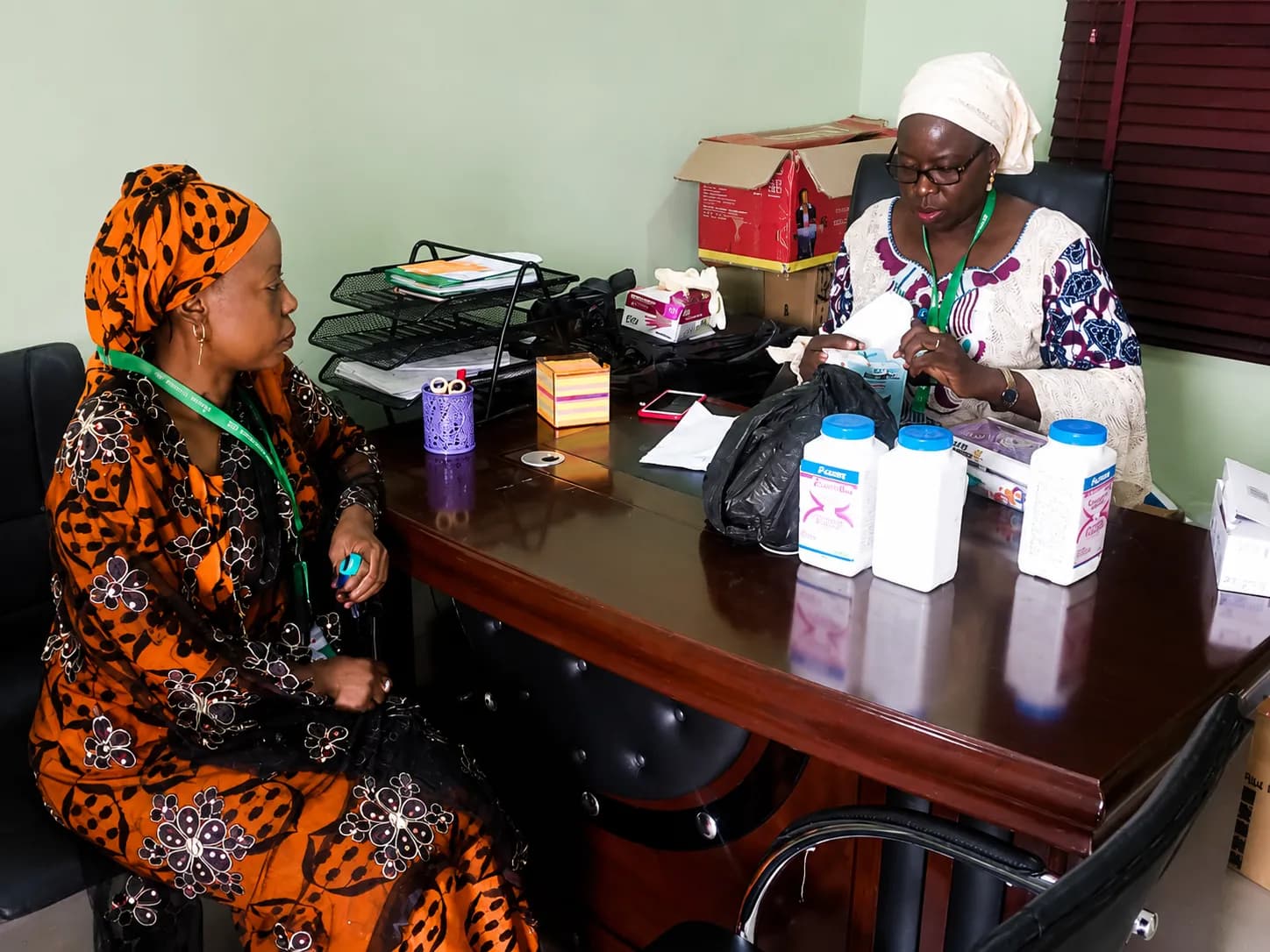
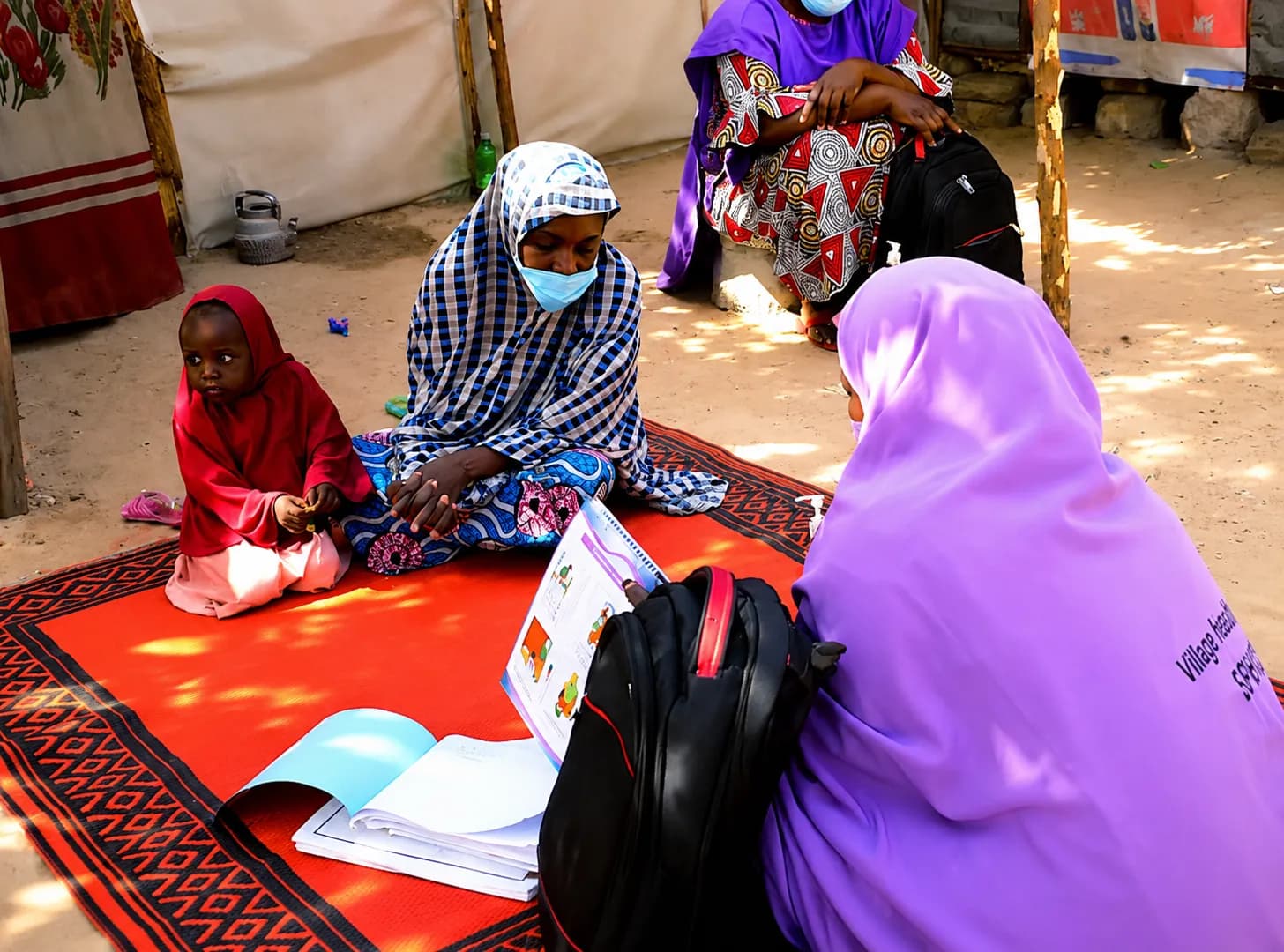
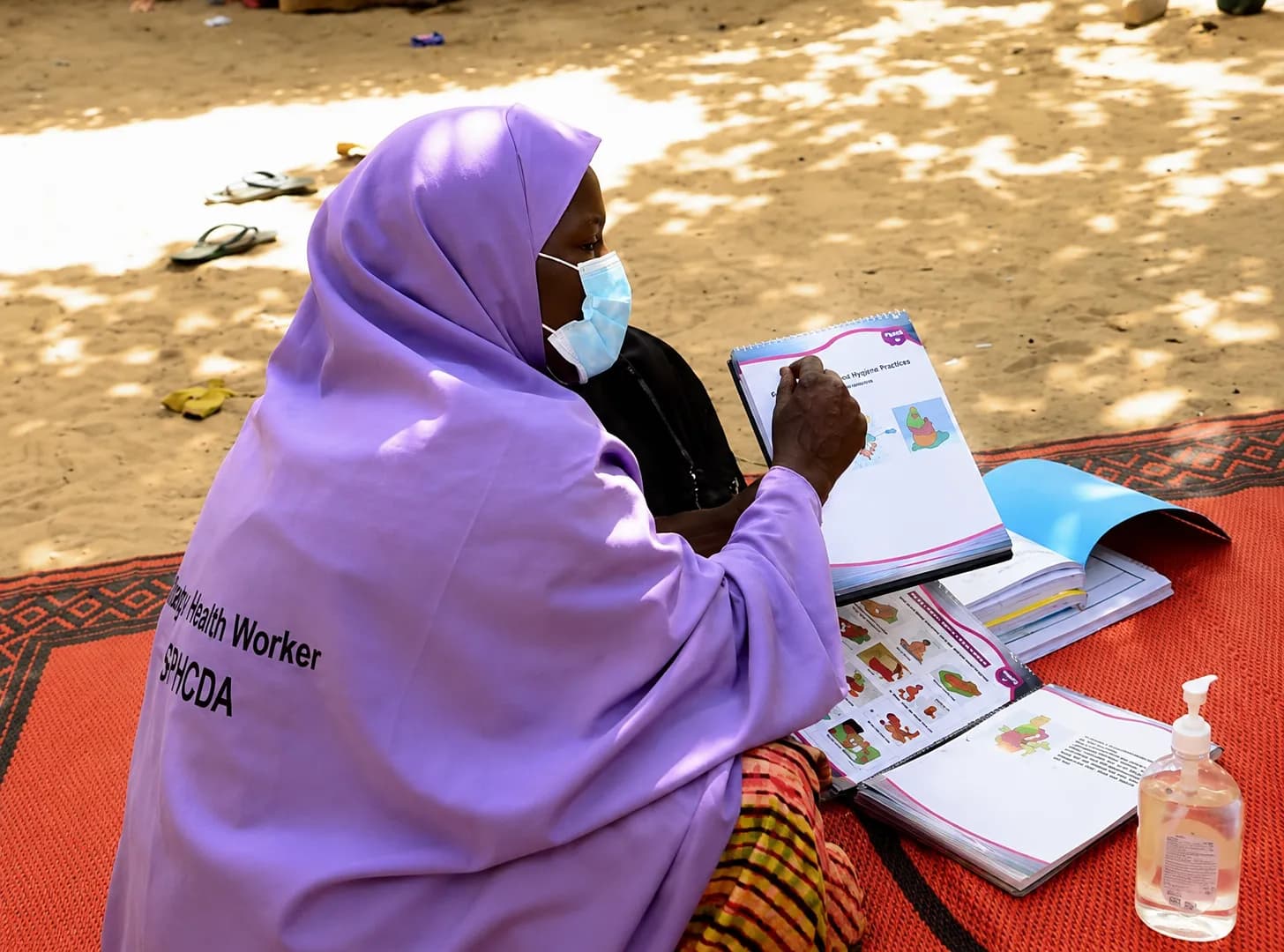
This is where community-based programmes like the Integration of Community Management of Childhood Illnesses, known as ICCM, change the equation. Instead of waiting for families to reach a facility that may not be functional, ICCM trains community health workers to identify and treat common childhood illnesses at the village level. The worker does not need to be a doctor. They need to be trained, equipped, and present.
The evidence supports this approach. Across multiple countries in sub-Saharan Africa, ICCM programmes have been shown to reduce under-five mortality by an average of 10 percent, with community health workers responsible for an estimated 75 percent of the lives saved.
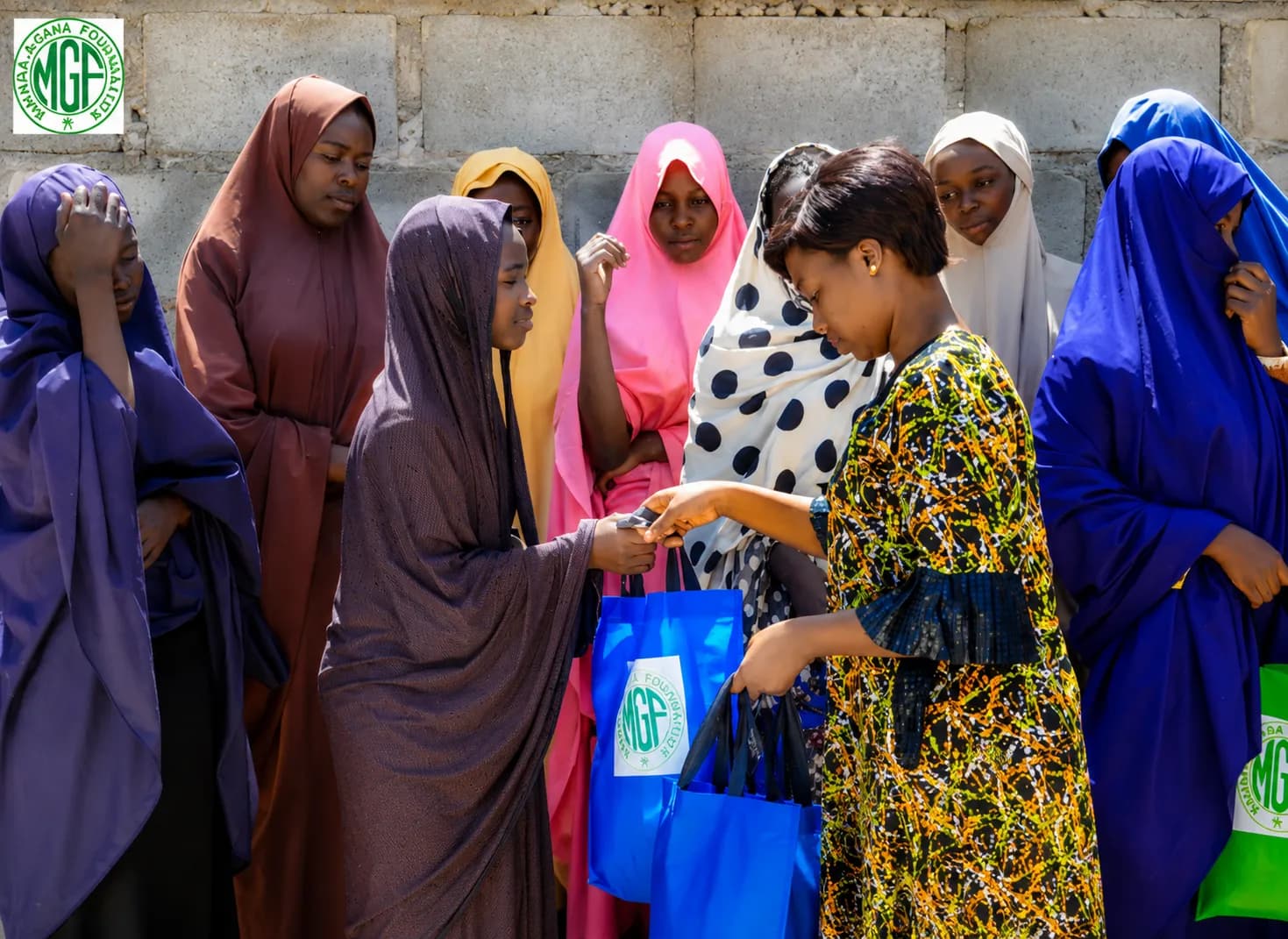
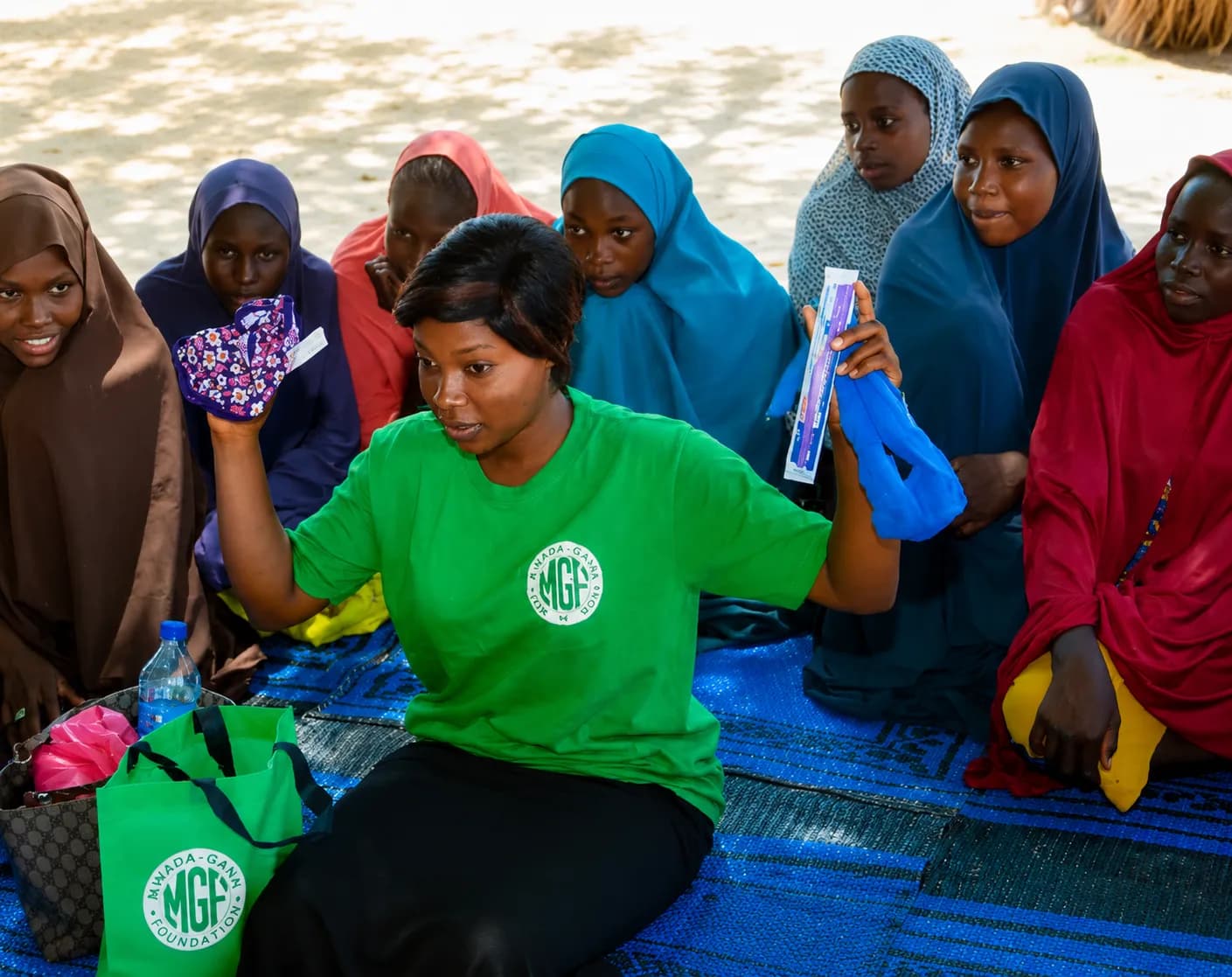
In Borno State, the Mwada-Gana Foundation has treated and provided access to healthcare for 2,000 children under five years old from poor and disadvantaged backgrounds across Maiduguri, Jere, and Konduga local government areas. These are children who would otherwise have had no link to the health system at all.
But the challenge remains enormous. Community health workers need supplies. They need supervision. They need to be paid. And the families they serve need to trust that the person treating their child knows what they are doing. Building that trust takes time, consistency, and presence.
A mother should not have to guess whether her child has malaria or pneumonia. She should not have to choose between a long journey to a clinic that might not help and doing nothing at all. The answer is not always a new hospital. Sometimes it is a trained person in the village with the right tools and the right knowledge, close enough to act when it matters most.
Make a Difference Today
Your support can change lives. With your donation, we can help those who need it the most. Join our mission and make a lasting impact on communities in need.