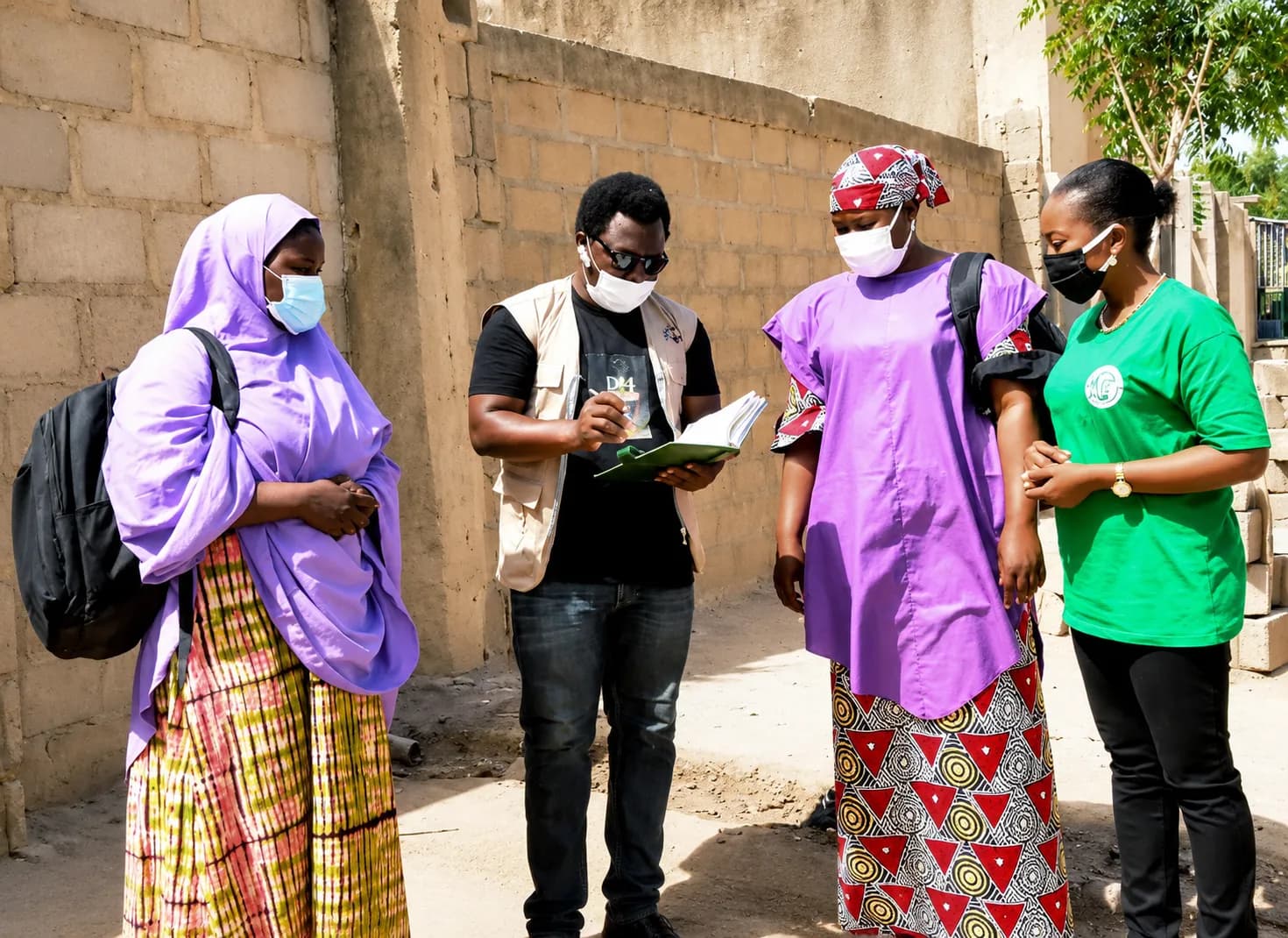
Pregnancy in the Village: What No One Talks About
We talk about maternal mortality. We talk about antenatal coverage. We talk about skilled birth attendance rates and facility delivery targets. These are important metrics. But they do not capture the full experience of being pregnant in rural Nigeria.
There are things about village pregnancy that rarely make it into policy briefs or conference presentations. Things that shape a woman's experience from the moment she realises she is expecting until long after the baby is born.
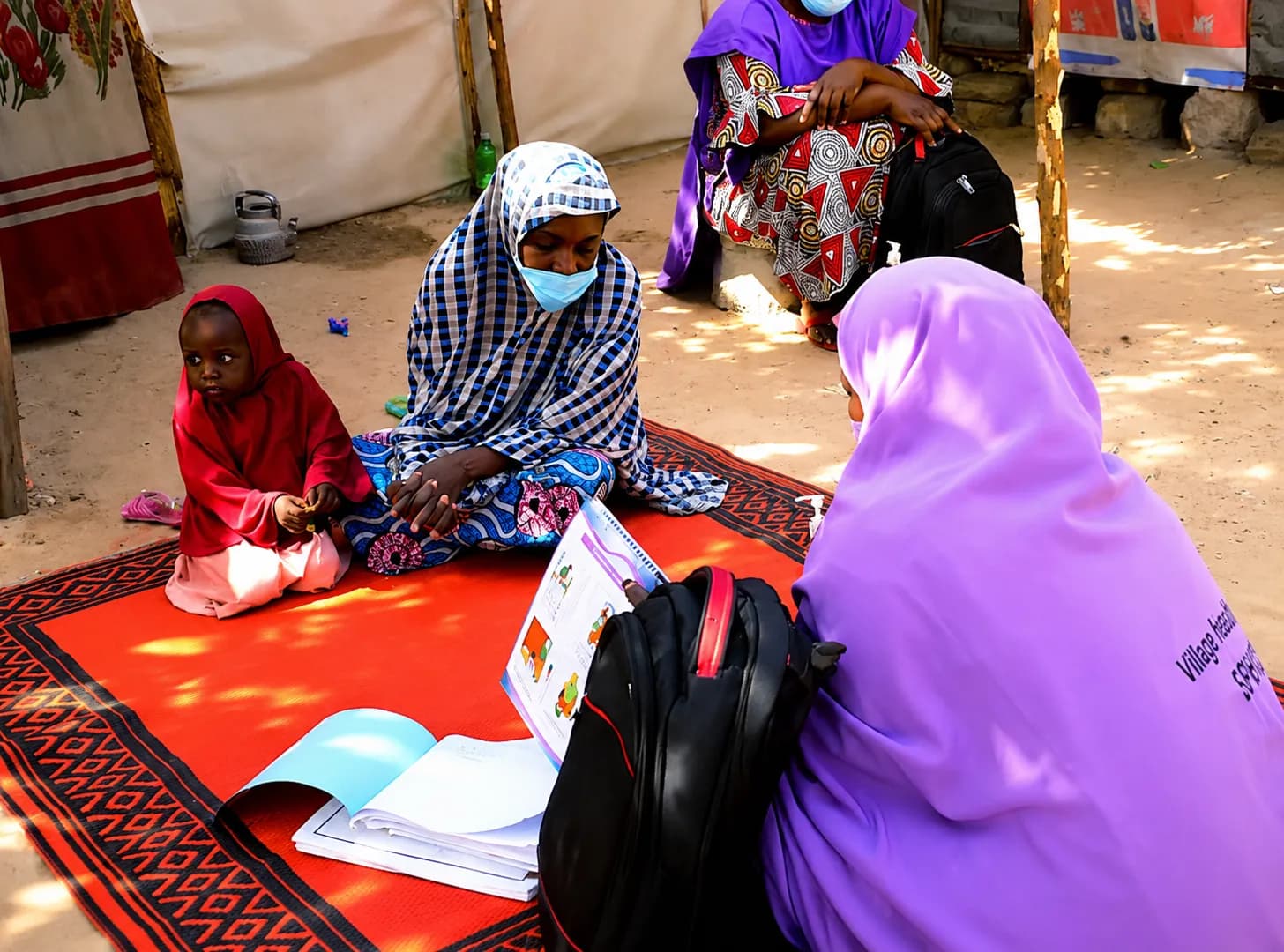
There is the isolation. A pregnant woman in a remote village may go weeks without seeing a healthcare worker. She may have no phone, no radio, no way to call for help if something goes wrong. Her world shrinks to her household, her compound, her immediate community. The outside world, including the health system, feels distant and irrelevant.
There is the fear. Not just the fear of complications, though that is real. But the fear of being alone during labour. The fear of losing the baby. The fear of the unknown. In communities where maternal death is not rare, every pregnancy carries an implicit understanding that things can go badly. Women carry this fear quietly. It is not something they discuss openly.
There is the physical toll. Village women do not stop working when they become pregnant. They fetch water. They farm. They care for other children. They cook, clean, and manage households. Rest is a luxury. Proper nutrition is often impossible, not because women do not know what to eat, but because the food is not available or the family cannot afford it. Anaemia, malnutrition, and exhaustion are common, and they compound the risks of pregnancy.
There is the silence around complications. Fistula, postpartum depression, sexual violence during pregnancy, and the grief of stillbirth are experiences that many rural women endure without speaking about them. There are no support groups, no counsellors, no safe spaces to process these experiences. Shame and stigma keep these stories hidden, which means the women who need help the most are the least likely to ask for it.
There is the relationship with traditional practices. In many villages, pregnancy is surrounded by traditions, dietary restrictions, rituals, herbal remedies, and beliefs about what causes complications. Some of these practices are harmless. Some are dangerous. But they persist because they are rooted in community identity, and because the formal health system has not offered culturally appropriate alternatives.
And there is the reality of what happens after birth. The spotlight fades. The mother is expected to recover quickly and resume her responsibilities. Breastfeeding support is minimal. Postnatal care, when it exists, is often a single visit weeks after delivery. The newborn may receive a vaccination, but the mother's physical and mental health is rarely assessed.
These are the things no one talks about. They are not captured in statistics. They are not discussed in donor meetings. But they define the reality of pregnancy for millions of women in rural Nigeria.
Until we talk about them honestly, our interventions will remain incomplete. Because saving a woman's life is not only about preventing death. It is about making sure her life, including the most vulnerable months of it, is lived with dignity.
Make a Difference Today
Your support can change lives. With your donation, we can help those who need it the most. Join our mission and make a lasting impact on communities in need.