
Maternal Health is Failing Rural Nigeria
In Nigeria, a woman dies every seven minutes from complications related to pregnancy or childbirth. That is roughly 200 women every single day. But behind the numbers is a harsher reality: most of these deaths are happening in rural communities, places where health facilities are scarce, roads are impassable, and the nearest skilled birth attendant could be hours away.
Nigeria accounts for 29% of all global maternal deaths, nearly one in three worldwide. While urban centres have seen improvements over the past decade, rural Nigeria has been largely left behind. In states like Borno, Yobe, and Adamawa, already devastated by years of conflict, the situation is even more dire.
*(Sources: WHO, UNICEF, UNFPA, and World Bank Group, "Trends in Maternal Mortality: 2000–2023," 2025; BBC News, "Nigeria maternal mortality: The world's worst country to give birth," June 2025)*
The reasons are not mysterious. They are structural.
Health infrastructure in rural Nigeria is thin. Many primary health centres lack basic equipment, trained staff, or reliable electricity. Some communities have no health facility at all. Nigeria has just 2.3 doctors, 9.4 nurses, and 6.26 midwives per 10,000 people, all below WHO recommended thresholds. Between 2017 and 2022, more than 57,000 nurses and midwives left the country, further deepening the crisis. Women who do manage to reach a clinic often arrive too late, having spent hours travelling by foot, motorbike, or boat. Others never leave home, relying on traditional birth attendants or family members who have no medical training.
*(Sources: WHO Country Cooperation Strategy for Nigeria, 2023–2027; Think Global Health, "The Economics Behind Nigeria's Midwife Exodus," 2024)*
The consequences are immediate. Postpartum haemorrhage, eclampsia, obstructed labour, and infections, complications that are entirely treatable in a properly equipped facility, become death sentences in the village. Neonatal outcomes mirror the crisis. Newborns in rural areas face significantly higher risks of infection, asphyxia, and low birth weight, with little to no access to emergency newborn care.
But this is not just about infrastructure. It is about priorities.
For years, maternal health policy in Nigeria has focused on facility-based delivery as the gold standard. The logic is sound: skilled attendance at birth saves lives. But it assumes the facility exists, is reachable, is staffed, and is trusted. In much of rural Nigeria, none of those assumptions hold.
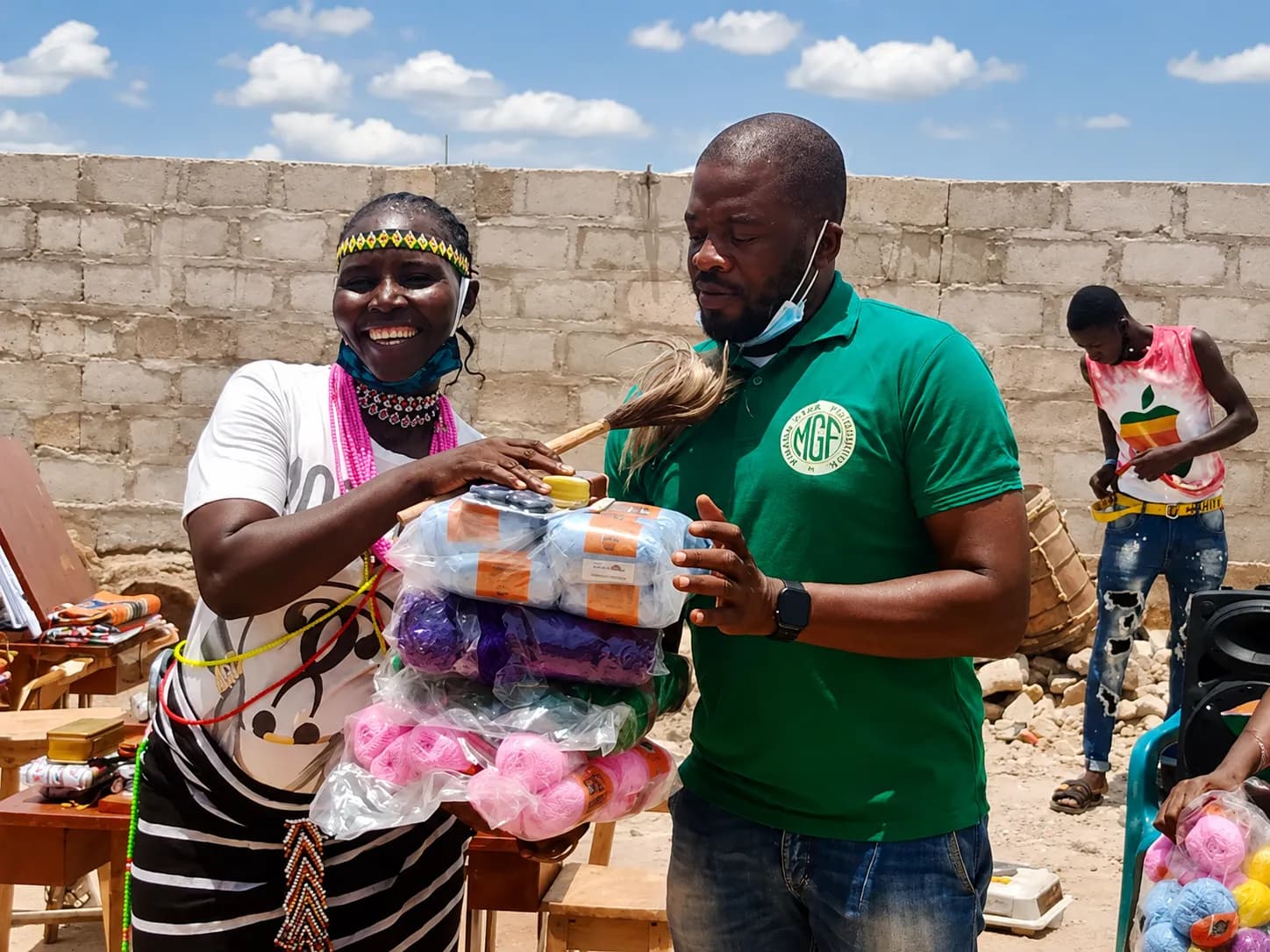
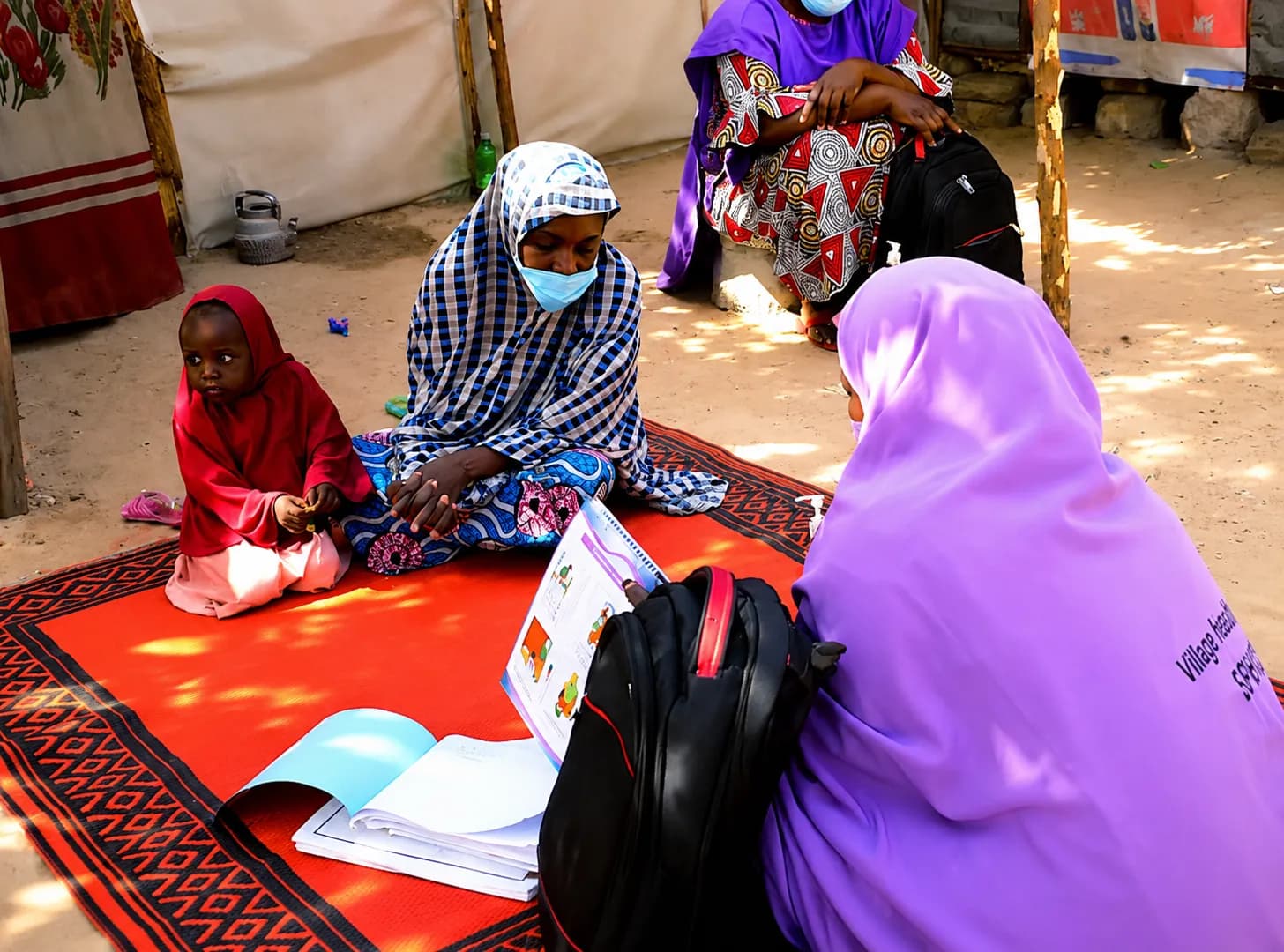
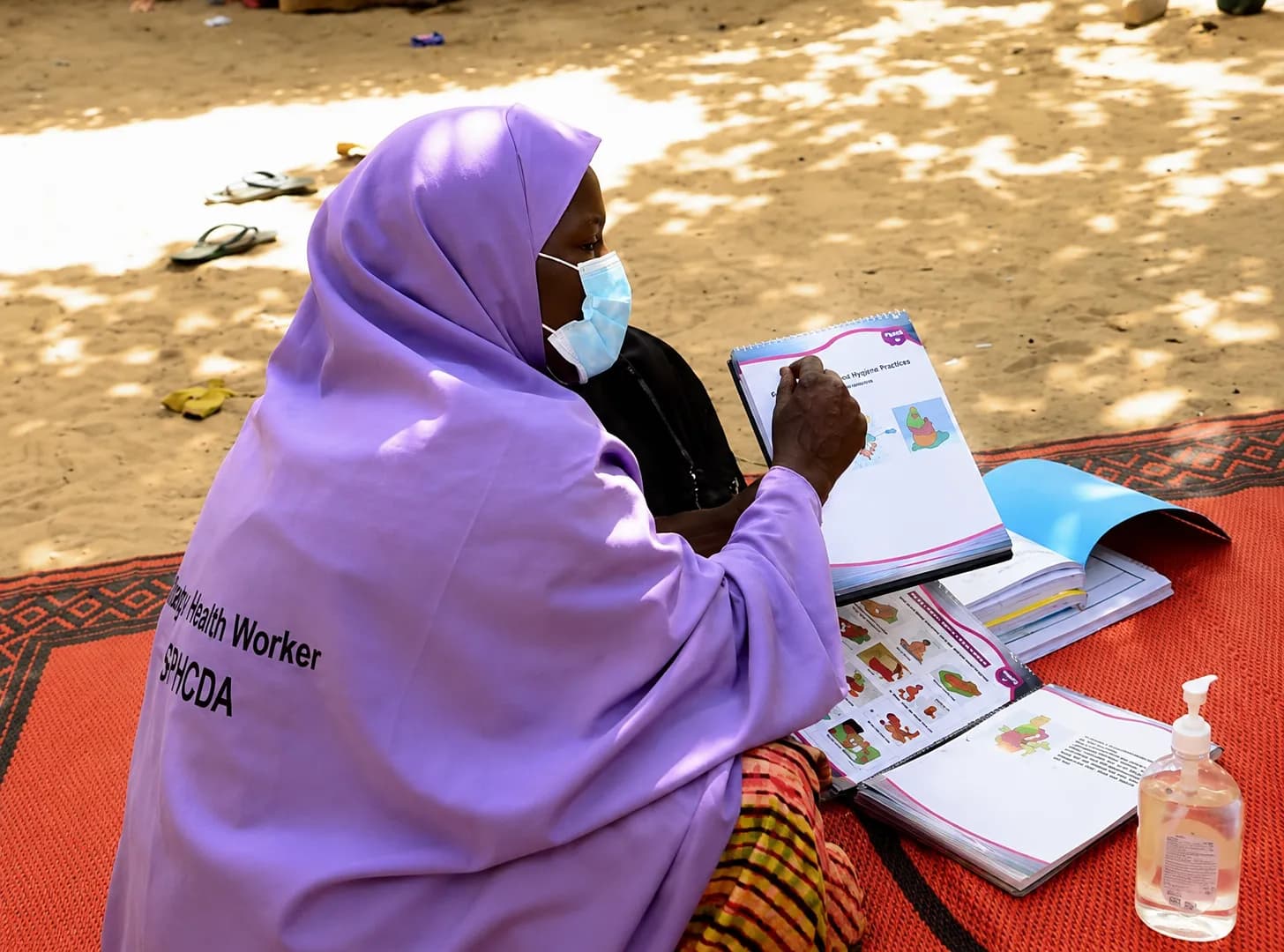
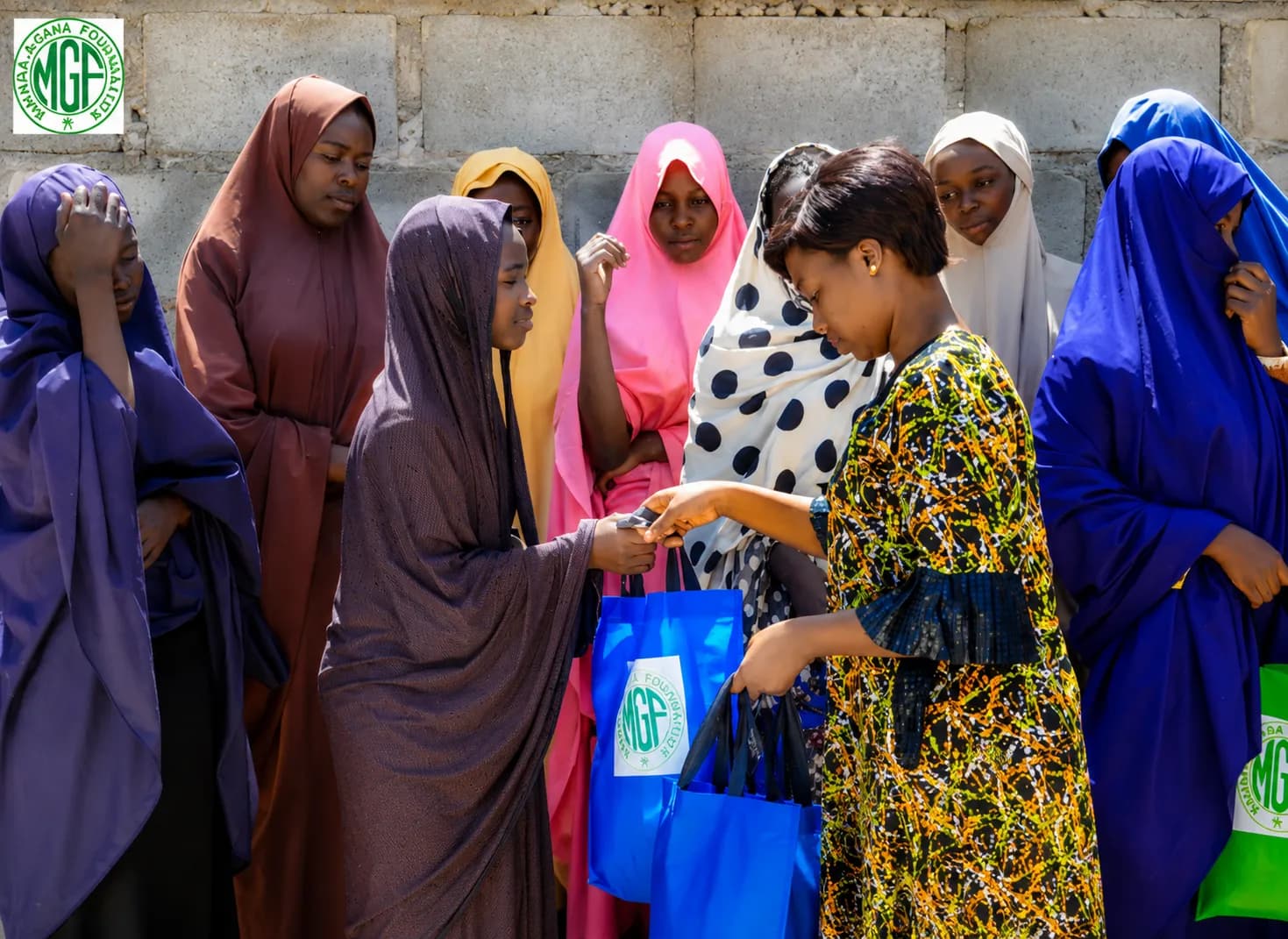
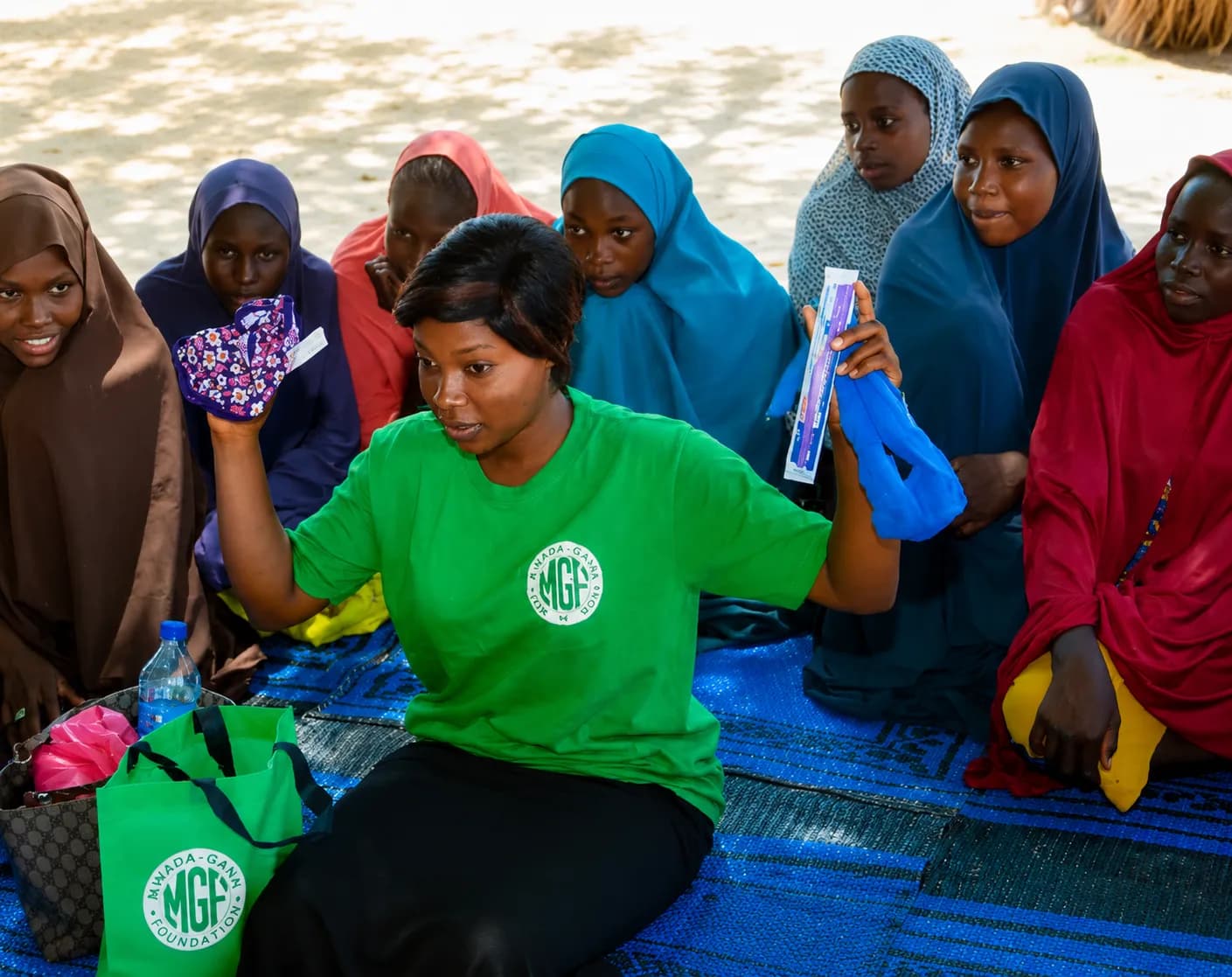
What does work, and what organisations like the Mwada-Gana Foundation are proving, is meeting women where they are. Community health workers and village-level interventions are not alternatives to the system. In many cases, they are the system.
A village health worker who can identify danger signs during pregnancy, refer a mother to the nearest facility, and follow up after delivery is not a stopgap. For millions of women, that health worker is the only link to survival.
The failure of maternal health in rural Nigeria is not a failure of knowledge. We know what saves lives. We know what works. The failure is one of delivery, of getting those solutions to the places and people who need them most.
Until rural Nigeria is treated as a priority, not an afterthought, the numbers will not change. And women will continue to die from entirely preventable causes.
Make a Difference Today
Your support can change lives. With your donation, we can help those who need it the most. Join our mission and make a lasting impact on communities in need.